

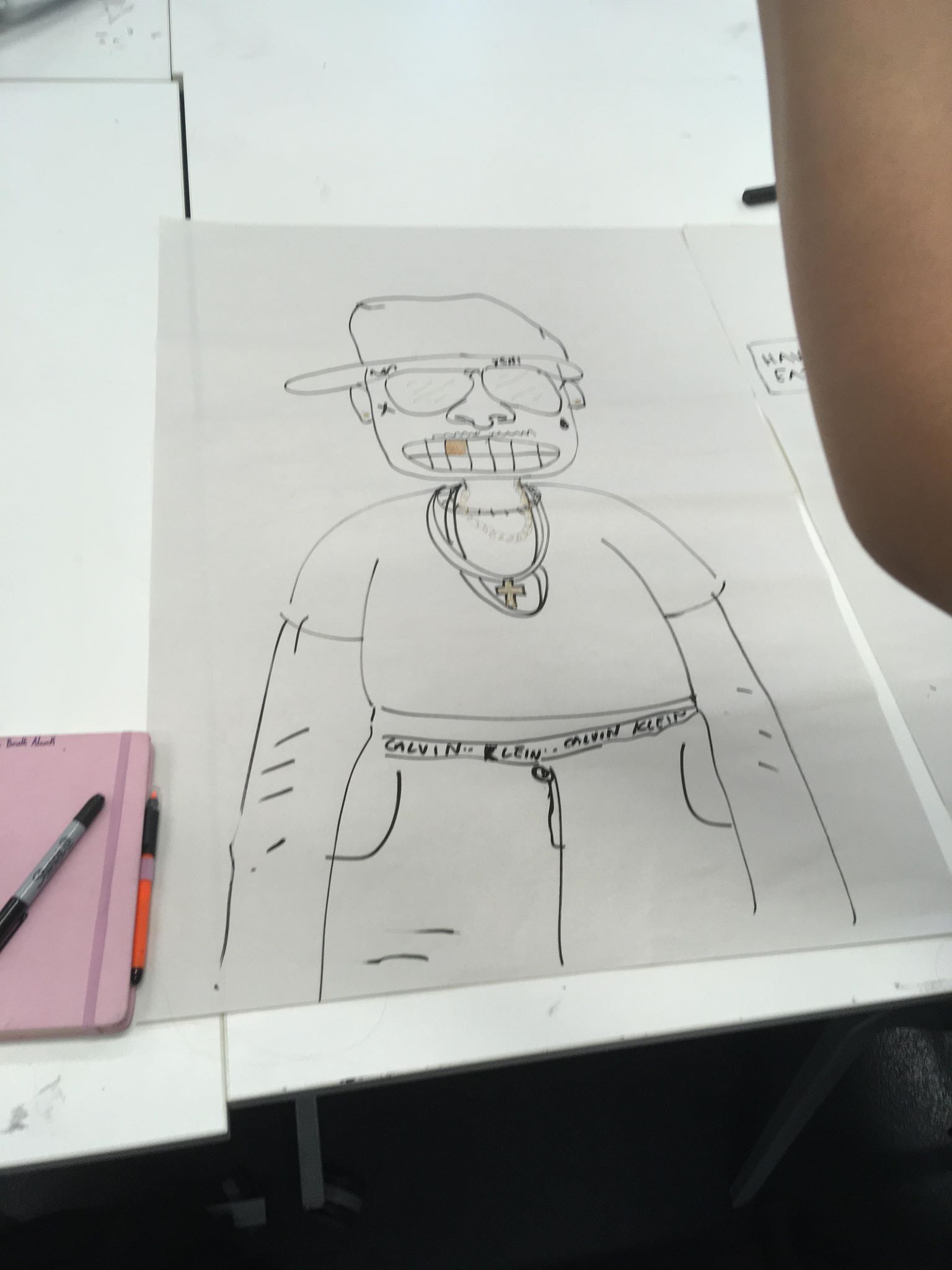
Yet again we talked about stereotypes. Personally, I think that this topic is spoken about quite often, to say the least, but I guess it could be blamed on historical events that morph our understanding of the world.
“A stereotype is a fixed, generalised belief about a particular group or class of people.” (Cardwell, 1996). There are different types of stereotyping: gender, political, appearance or even related to age groups. It is usually based on the previous experiences we have or the lack thereof. To stereotype things is a natural process of survival as it speeds up our decision-making process. As Yale psychologist Paul Bloom has noted, “you don’t ask a toddler for directions, you don’t ask a very old person to help you move a sofa, and that’s because you stereotype.” I personally think that younger generations have more acceptance and open-mindedness on topics that are spoken about and children, in general, are more prone to accept everything as a norm as their view on the world is still forming. I would note that overall, people need to be more aware of how they unconsciously make assumptions, as it could lead to missed opportunities and hurt feelings and in worst case scenario even death.
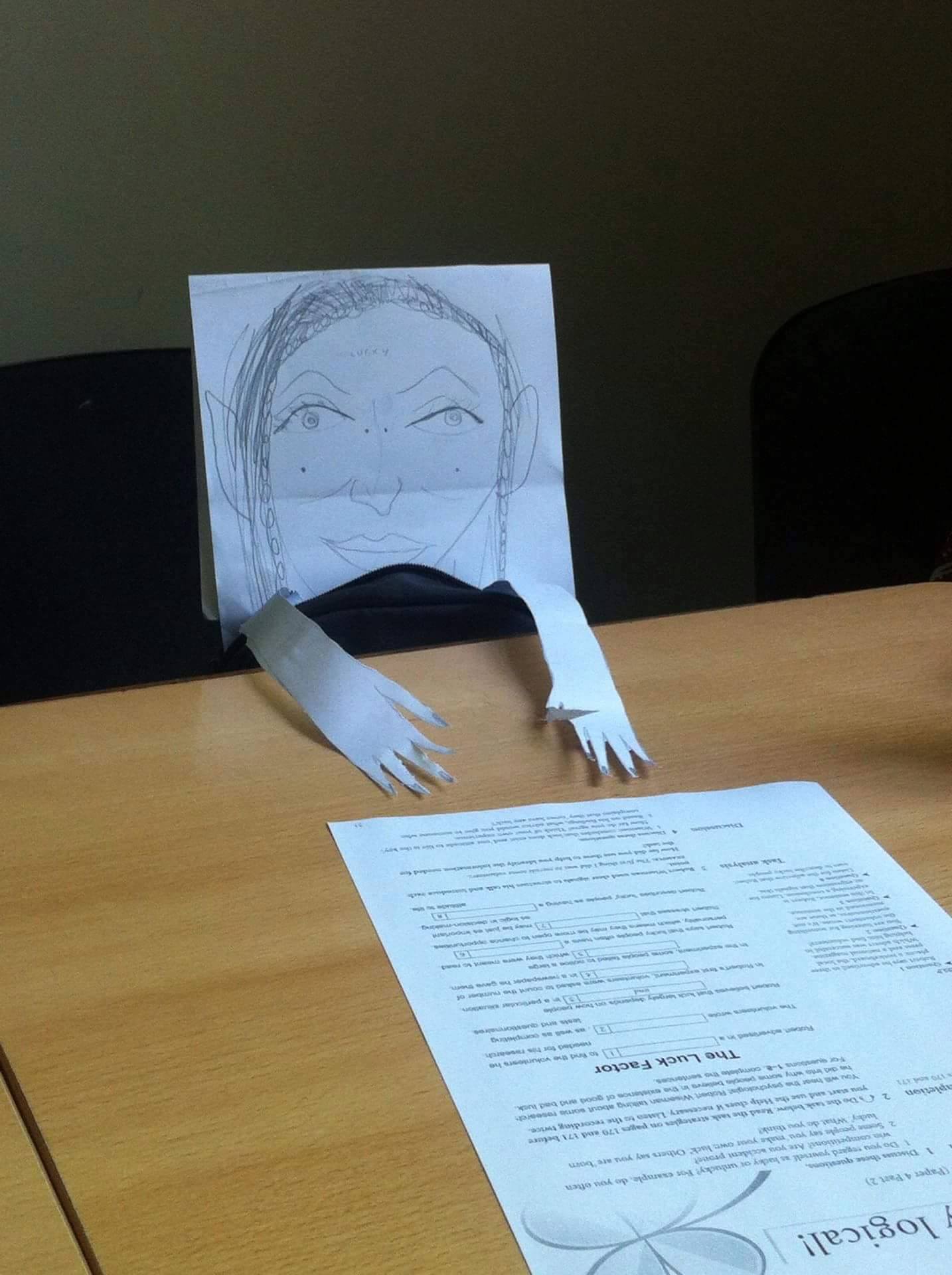
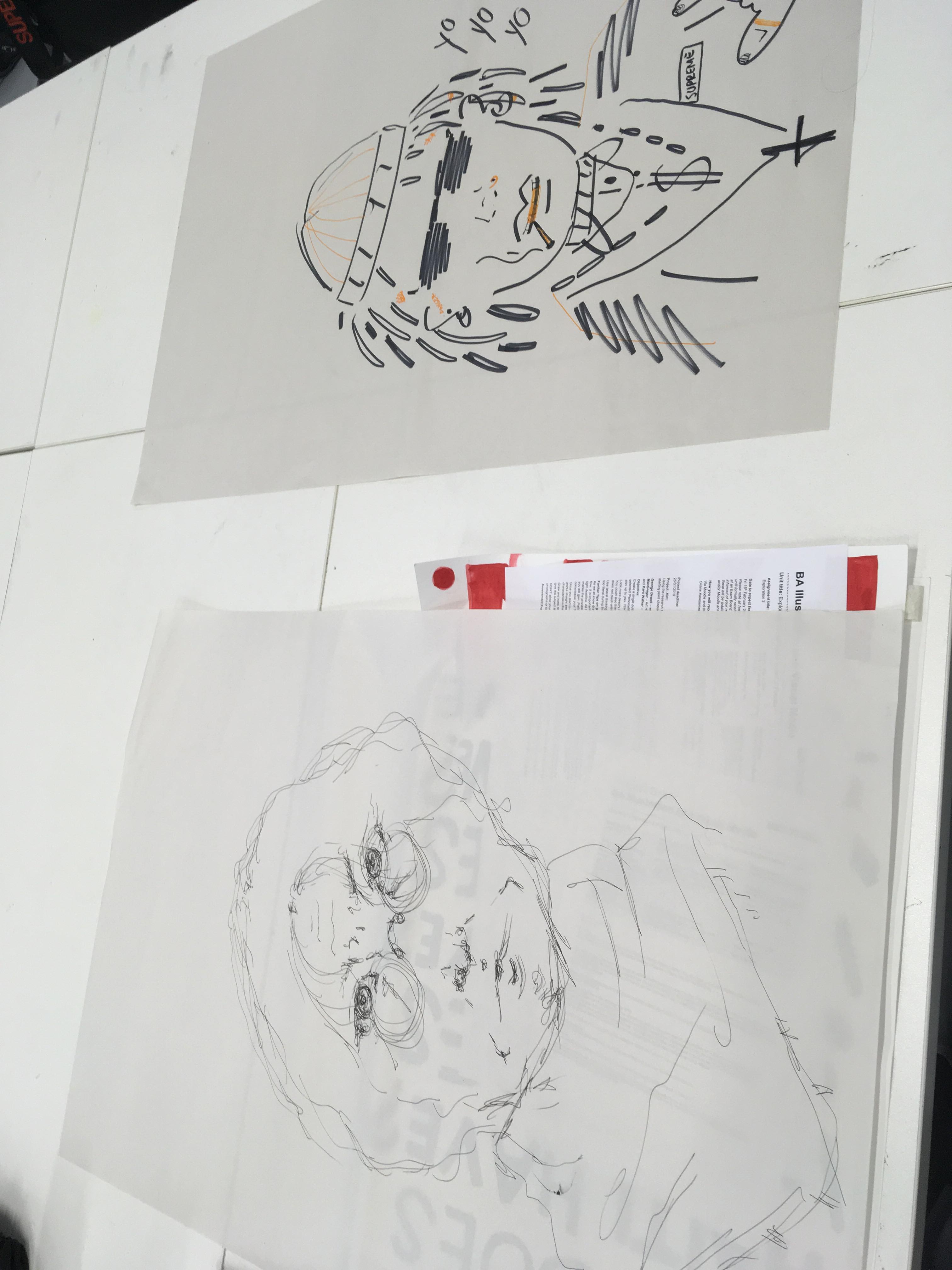
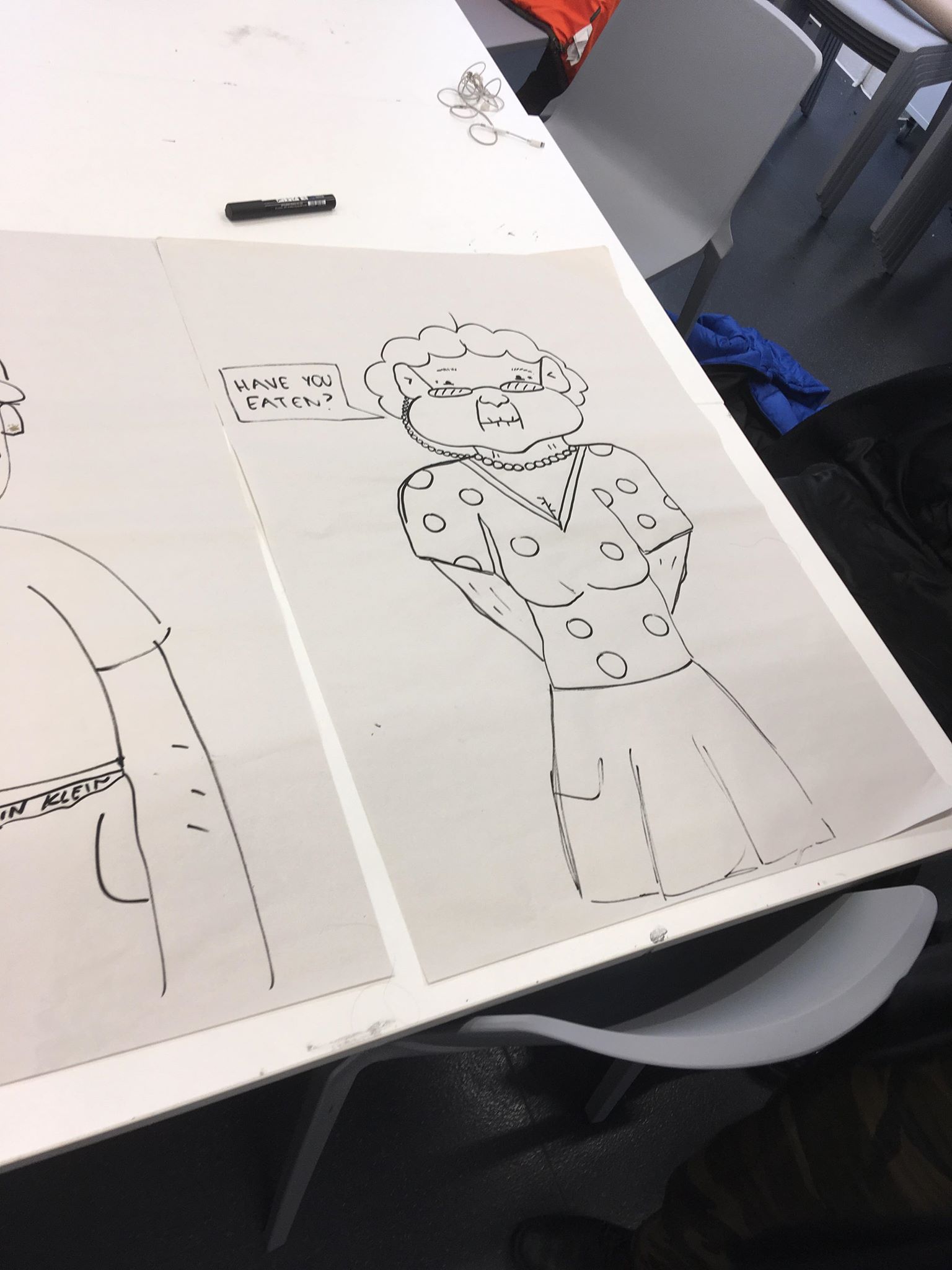
At the beginning of the session, we completed an experiment about stereotypes. We looked at how they affect our judgment and attitude on individual matters by drawing our interpretation of a grandmother and a rapper. The majority of the class drew a man with tattoos and chains as the rap artist and for grandmother – an old lady with short hair, which is usually the first thing that comes into a person’s mind when asked to imagine these two characters. Following that we watched a video of Macklemore feat Skylar Grey – Glorious (Official music video). After having a brief discussion on the video, we then had to re-draw our characters and mostly came to the conclusion that we ourselves are guilty of following the society’s made-up standards since we are programmed to follow them every day. During the latter part, we watched videos dealing with racial stereotypes. One of the artists playing with this sort of narrative that I personally enjoy is Blood Orange.
That being said it is also interesting how online interaction plays with our perception which just like everything else has its positive and negative aspects. These days any person can generate false information online tricking people into making false assumptions. Sometimes such stereotype is created and then shared and popularised within certain groups. The internet creates this false feeling of security for people to freely express what they want and as a result, this medium opens up new opportunities to feed into the negativity that stereotyping can create while at the same time it also encourages people to speak up and can also be used to raise awareness on certain topics, helping remove certain negative perceptions that the society might have.
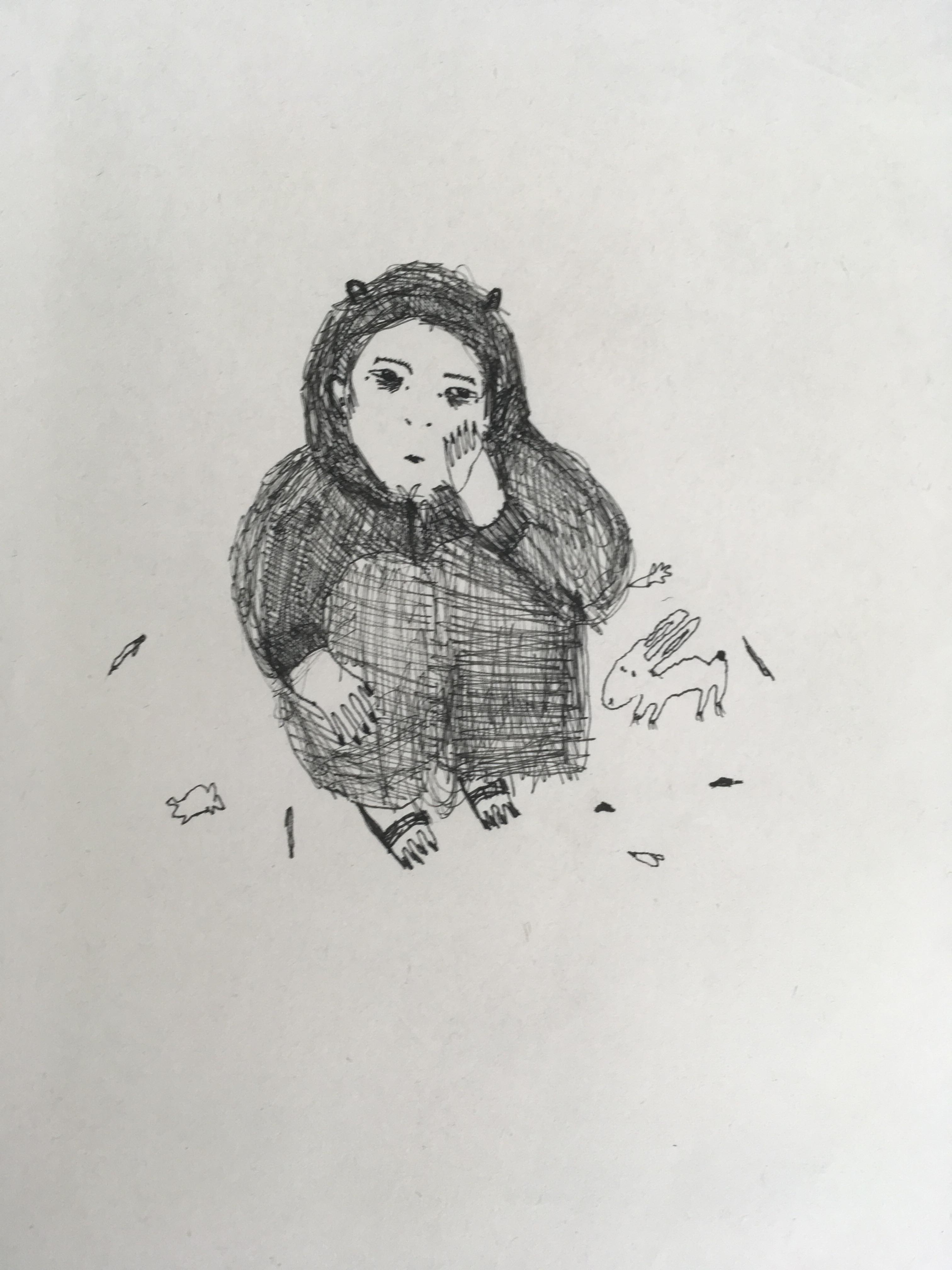
Students from different study years finished the lecture by asking us to draw an illustration of ourselves and discuss what stereotypes we have stumbled upon during our life. I found this to be the most interesting part of the class as most of the people’s outspoken experiences were negative. I am of the belief that humans tend to exaggerate negative experiences and it is worth remembering that at the end of the day stereotyping can also put the person in a more positive light than usual.
 KЯrt
KЯrt 